Packing for a week in the mountains is a balancing act: you need to handle sun, rain, cold and wind, often in a single day, without hauling a wardrobe up every trail. The secret is a layering system plus a short list of well-chosen essentials. This checklist covers a typical week of mountain travel with day hikes or hut-to-hut walking; adjust it for camping or technical climbing, and always check local conditions before you finalise.
The layering system
Think in layers, not heavy items. Start with moisture-wicking base layers, add an insulating mid-layer such as fleece or a light down jacket, and top it with a waterproof, windproof shell jacket and over-trousers. Pack two or three sets of base layers and socks so you can rotate them, plus a warm hat, gloves and a buff or scarf for cold mornings and high passes. A spare warm layer lives permanently in your daypack, because mountain weather does not check your itinerary before it changes.
Feet, sleep and shelter
Your boots are the most important item you own on this trip: waterproof, well broken in, with ankle support for rough trails. Bring comfortable camp shoes or sandals for evenings, and quality hiking socks with spares. If your trip involves huts, a lightweight sleeping bag liner is usually enough; for camping, add a proper sleeping bag rated for the expected night temperatures and a reliable mat. A compact, sturdy daypack of around 25 to 35 litres carries your daily essentials on the trail.
The small things that save trips
Small items prevent big problems. Pack a headlamp with spare batteries, sun protection including high-SPF sunscreen, sunglasses and lip balm, and a basic first-aid kit with blister treatment, painkillers and any personal medication. Add a reusable water bottle plus purification tablets or a filter, a pocket knife or multi-tool, and dry bags or a pack liner to keep everything dry. A power bank keeps your phone alive for maps and photos, and a small repair kit with tape and cord fixes a surprising range of gear failures.
What to leave behind
Overpacking is the classic beginner mistake. Leave cotton clothing at home: it stays wet and cold, while synthetics and wool keep you comfortable. Skip duplicate “just in case” outfits, heavy books, full-size toiletries and anything you would not carry happily for six hours uphill. Lay everything out the night before, remove a third, and you will probably still have everything you need. Your knees will thank you on every descent.
Pack light, pack in layers, and prioritise the items that keep you warm, dry and moving. A well-packed bag disappears onto your back; a badly packed one becomes the story of the trip.
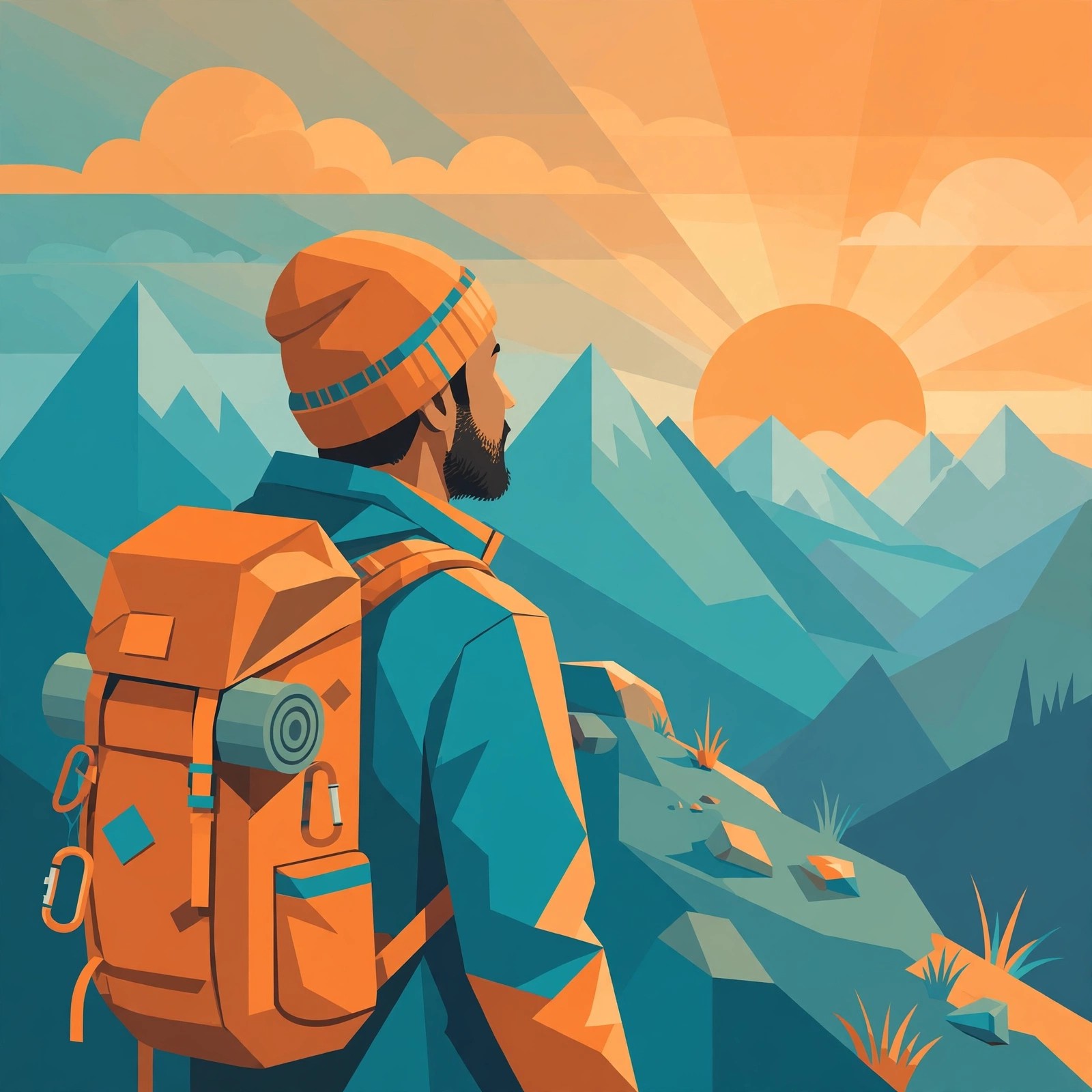
Arjun Mehta is the pen name behind Mountains Bliss — practical mountain-travel guides with routes, costs, seasons and safety notes, researched from real trekker discussions and cross-checked before publishing. No sponsored posts, ever.
More about Mountains Bliss →